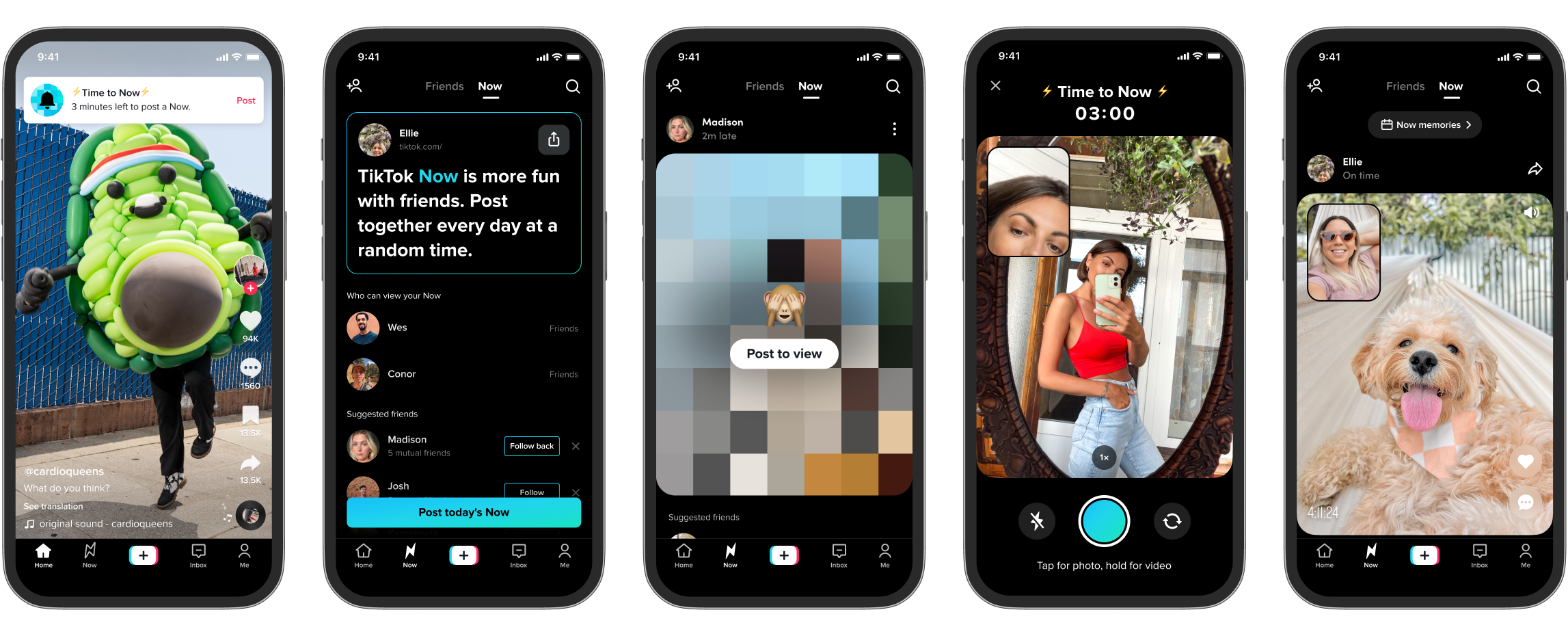
TikTok made a major update of its Community Code, and the new edition will enter into force on 13 September. This update aims to enhance transparency and address the regulatory challenges posed by the rapid development of the platform. The new regulation adds a new “rules quick-show” section, optimizes language expression, consolidates existing policies and makes more detailed requirements in key areas such as gambling, bullying and AI content management.
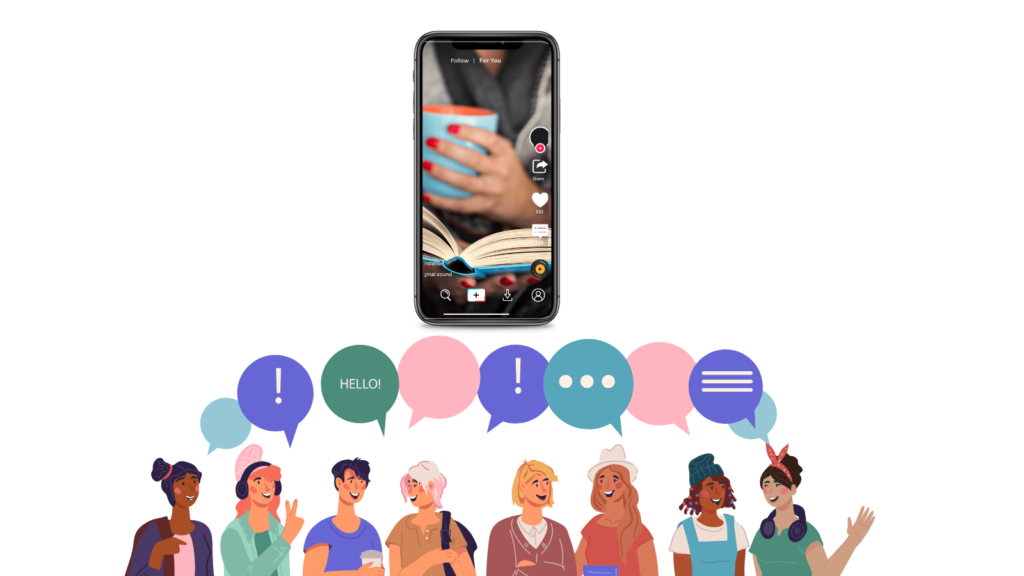
The new version of the Community Code’s new “Rules Snippling” section outlines key rules in a concise and intuitive manner to help users quickly understand the platform’s bottom line. Covering prohibitions, restrictions and reporting processes to enhance user experience. TikTok indicated that this responded to the call for transparency from users around the world, particularly in the markets of Europe and the United States, and that the Platform received a great deal of feedback requiring clearer community management guidance.
In specific content management, the relevant rules on gambling, alcohol, tobacco, drugs, firearms and dangerous weapons are harmonized into a “regulated goods and services” policy. Trade, marketing or promotion of these prohibited or high-risk items is not permitted, but registered commercial accounts and certified TikTok Shop sellers may be authorized to sell or promote certain controlled goods, subject to strict requirements. At the same time, commercial disclosure is required when promoting products, brand names or operations.

The new edition details the definition and prohibition of harassment and bullying, including demeaning, disclosing personal information, sexual harassment or coordinating abuse. Comments on politicians allowed criticism, but if serious harm was caused across borders, it would be removed. TikTok stressed that the protection of victims would be increased, including the rapid removal of violations and the permanent ban on repeat offenders.
For the first time, the new Community Code also makes it clear that the creator of live broadcasts is fully responsible for the content generated using third-party tools (e.g. plugins or external software) to ensure that all live content is in line with the norm. The update also expanded the “Accounts and Functions” section to provide more security guidance on direct messages, comments, and functions such as Living and TikTok Shop.

AI The restructuring of content management is particularly notable. There has been a shift from a ban on specific forgeries to a more comprehensive framework. When an AI or editing tool is required to give a true picture of a person or scene, it must be clearly indicated. No AI-generated content that could mislead the public on matters of public importance or cause personal harm (AIGC) is allowed. The Platform removes more than 85 per cent of its violations through automated technologies (e.g. AI audits), 99 per cent of which are processed prior to user reporting.
In addition, the update includes a description of how to better address misinformation, how to respond to emerging hazards in a crisis and how to adapt policies to different cultures. TikTok encourages all users to review the new norms to avoid irregularities.