
According to IGN, a property rights expert suggested that, even if Nintendo had won a patent tort with Pocketpair, the phantom developer Pocketpair, it would have received only $30,000 in compensation, and that Nintendo seemed to be increasingly likely to lose.
In January 2024, Palu the Fantasia was launched in Steam in the form of a first-time experience and directly joined the Game Pass collection of Xbox and PC platforms, during which a record of sales and the number of simultaneous online players was broken. Between February and July of the same year, Nintendo urgently applied for and adopted several subdivided sub-prime patents in Japan, and brought proceedings against Pocketpair, centred around the core mechanisms of the Pokertpair game, such as “ball catch” and “riding”.
Mr. Pocketpair Takuro has said that the “richness” of the phantom’s first fire has left developers in a state of uncertainty. Nevertheless, Pocketpair acted quickly to reach an agreement with Sony, taking advantage of the alarming flow of the phantom Paru. A new company, Palworld Enterprise, was established to expand the IP. Subsequently, PS5 also landed on PS5.
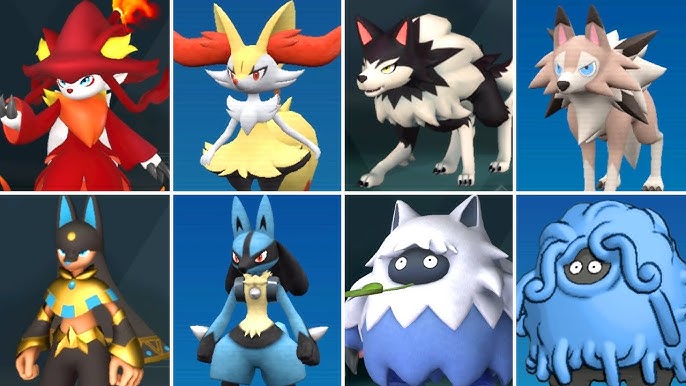
As the Fantasy Palu’s heat rises, players begin to compare the elves “Paru” and “Big Dreams” in the game, partially accusing Pocketpair of copying the design of the Boco Dreams. However, Nintendo and Bogo Dreams did not pursue copyright actions against Pocketpair, but chose to sue for patent infringement. Both companies claimed Pocketpair ‘ s compensation of 5 million yen (approximately US$ 30,000) each, plus damages for the delay, and requested a ban on the sale of Paro the phantom.
In November 2024, Pocketpair confirmed that he had been prosecuted for three Japanese patents and that they were all surrounded by a dream of capturing treasures in virtual sites. The phantom Palu does contain a game of catch by throwing spherical objects at the elves, similar to the mechanism seen in the 2022 Switch game of Nintendo, ” The Dreams of AlZeus ” .
Pocketpair subsequently amended the phantom Paru and acknowledged that the change was a direct result of legal threats. The V0.3.11 patch, released in November 2024, removed the mechanism of calling Paru by throwing, and replaced it with a direct call. The patches also modified other game mechanisms. Pocketpair stressed at the time that if the above-mentioned changes were not made to the game, “player experience could deteriorate further”.
In 2025, the phantom Paru modified the game to fly on the paru instead of glidering. Pocketpair claims that this was a “compromise” that the studio was forced to make, fearing that the court would issue a restraining order affecting the subsequent development and sale of the phantom Paru.
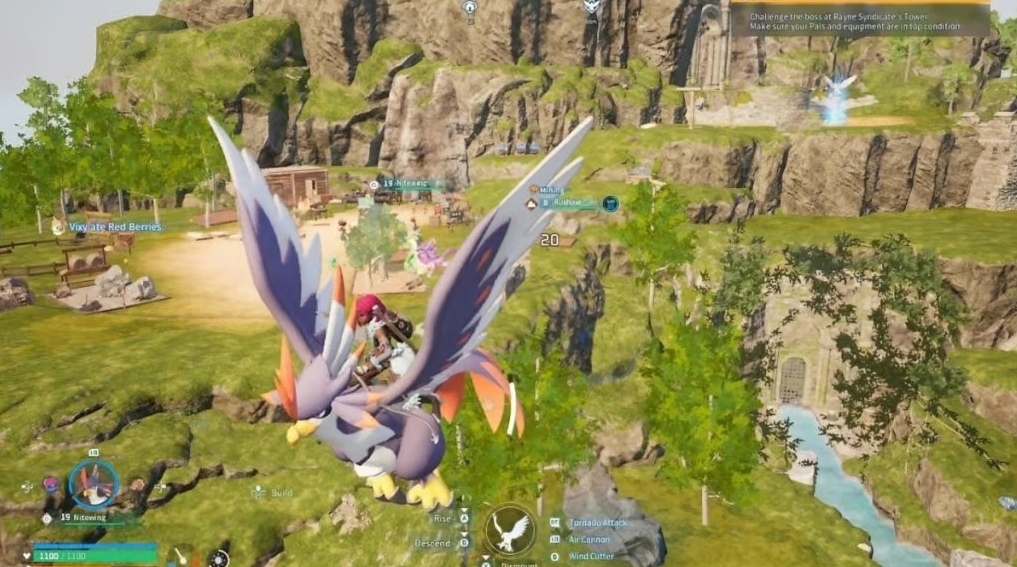
Pocketpair said at the time: “We understand that many players will be disappointed, and we ourselves, but we also hope that fans will understand that these changes are necessary in order to prevent further disruption of the future of the phantom.
An intellectual property expert, Florian Muller, recently wrote on games fray that, at the end of last year, Nintendo and Bogo Dream had modified the scope of the proceedings, only for the earlier version of ” Pari Paro ” . It is assumed that Nintendo did so because of the changes made to the game by Paro the Fantasy in response to this lawsuit.
Florian Müller stated that the result was “we do not see any possibility of Nintendo winning on the current or near future Paro of the Fantasy, including the 1.0 official version to be released, nor would there be any prohibition of practical impact”.
Even if Nintendo wins in the proceedings against the earlier version of the phantom Palo, it will receive only 5 million yen at most. “This is of no value to both sides, especially in relation to the cost of litigation in Nintendo,” said Muller.
The main problem is that the Nintendo litigation window is rather tight and sales are limited to Japan, which, as mentioned above, filed a case-by-case patent after the phantom Paru was sold, while Pocketpair modified the game mechanism in November of the same year, and Nintendo could only seek compensation for this period for several months.
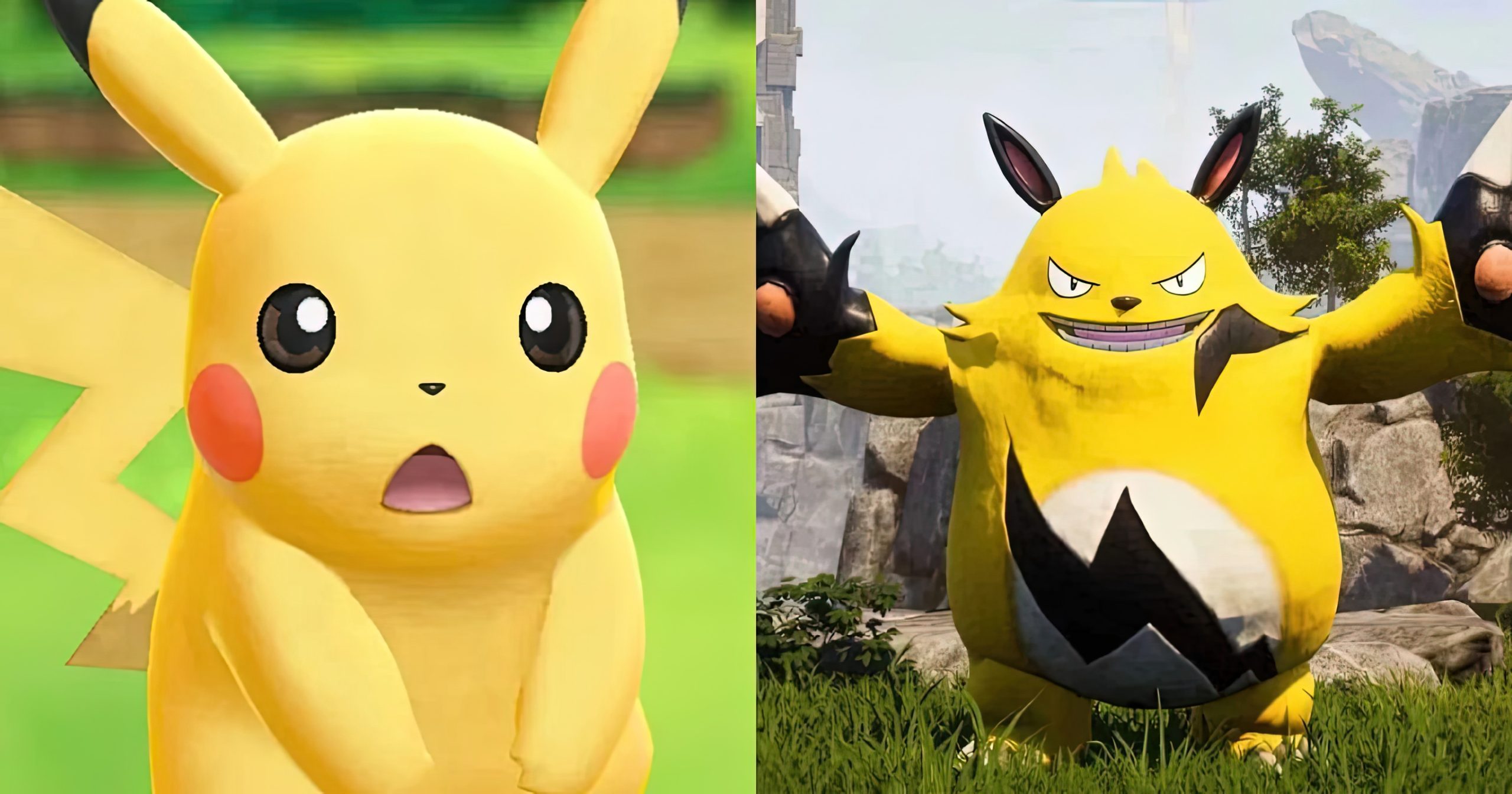
Muller explained: “Even if we assume that the phantom Paru did commit a violation in 2024, it was only a relatively short period of time, with limited sales, and Nintendo could not seek compensation in Japan for global sales. Because Japanese patents are valid only in Japan, just as American patents are valid only in the United States.”
“This action is no longer a major issue at the commercial level. It is only a hypothetical prohibition and does not apply to the current version of the game, and the amount of compensation, if any, is limited to the period during which Pocketpair produces limited new sales on the Japanese market.”
As to whether Nintendo would abandon the Japanese patent tort and instead initiate a new suit against Pocketpair in other countries? Müller believes that this is indeed an option, but Nintendo may abandon this strategy in view of the great difficulty of obtaining a rule of the game patent in key jurisdictions. In April this year, the United States Patent and Trademark Office rejected the controversial `Calling Roles in Fight’ — a vindictive patent that had previously been strongly criticized by intellectual property lawyers.
According to the Tokyo District Court ‘ s records, the Nintendo and Pocketpair proceedings will have a technical presentation on 1 October 2026 and a public judgment on 9 November. It is worth mentioning that, at the summer game festival held in early this month, Pocketpair announced that the official edition of Paro, the phantom, would be released on 10 July. The proceedings will continue with the official sale of the phantom Paru and the final outcome of the case will continue to receive close attention.