
OpenAI recently announced that it will build its first AI data centre as part of its “Stargate” project in Nalvik, Norway, and that this project will mark the first time that OpenAI has set foot in Europe to build an artificial intelligence data centre, which will be designed and built by Nscale, an AI-based British company.
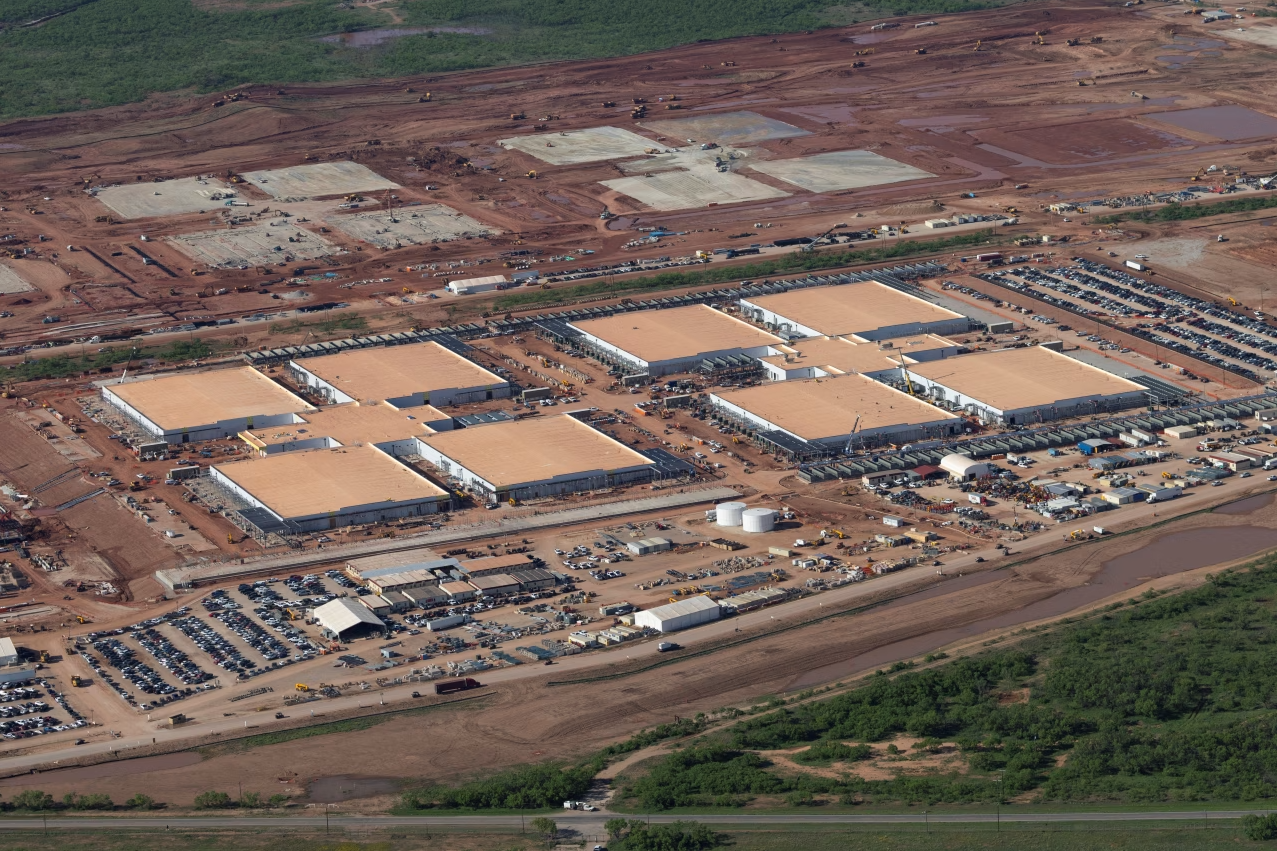
Nscale and the Norwegian local investment company Aker have formed a 50 per cent joint venture to move the project forward, and OpenAI will be the initial purchaser of the data centre ‘ s capacity and will subsequently be scaled up in line with development needs. After the project was announced, Aker increased its share price by more than 4 per cent after the opening of the Norwegian stock market on Thursday, and the market showed positive expectations for the project ‘ s future.
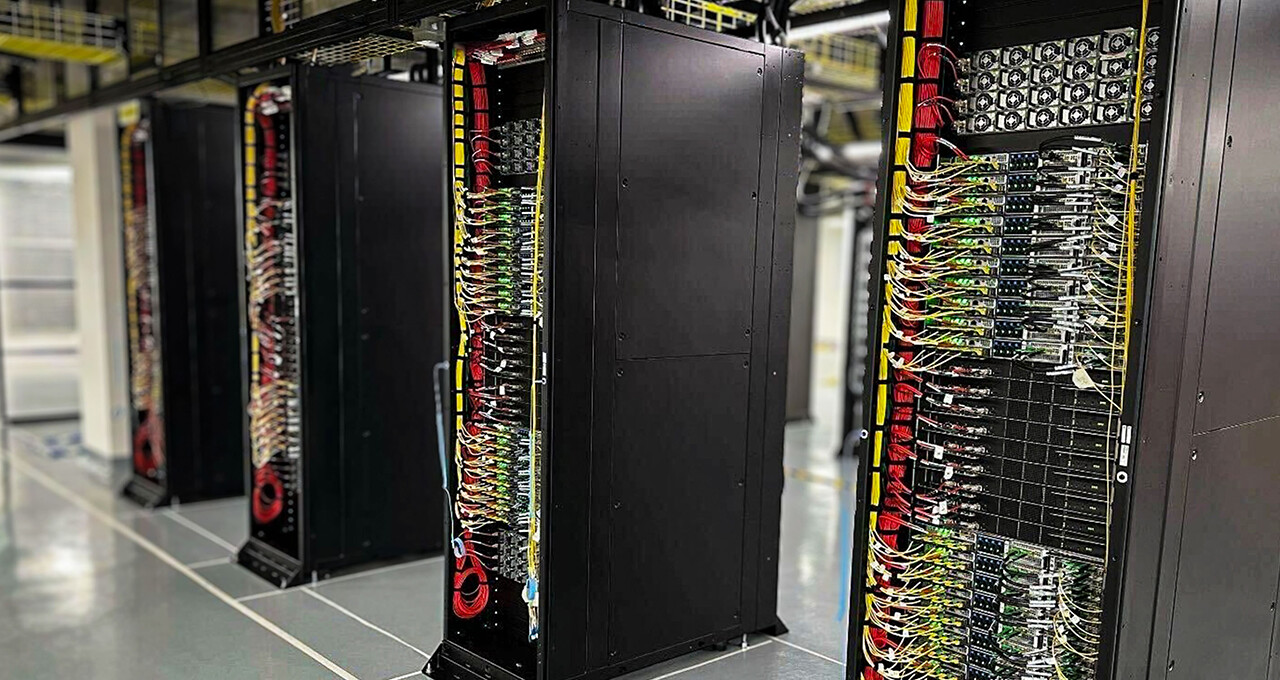
The Narvik project had an initial planning capacity of 230 MW and was intended to extend an additional 290 MW. If built well, the data centre will become one of Europe ‘ s most important artificial intelligence projects. The project plans to deliver 100,000 British-Wida GPU clusters by 2026, providing strong hardware support for artificial intelligence computing. Nscale and Aker have committed about $1 billion to the 20 MW phase of the initial phase of the project, which includes up to $250 million in full equity investment, and the investment of real-gold is a strong demonstration of confidence in the project.
The Interstellar Gate, located in Kwandal, on the outskirts of Narvik, a Norwegian project site, is home to abundant hydropower resources, with low local electricity demand and relatively limited capacity, which makes local electricity prices well below the European average and significantly lowers the operating costs of data centres. At the same time, cooler weather in high latitudes also provides natural facilities for dissipation of data centre equipment and reduces the energy consumption of additional cooling equipment. In addition, well-developed local industrial infrastructure provides a solid basis for the construction and operation of large-scale data centres.
OpenAI stressed that the project would be fully reliant on renewable energy for current green and green development ideas. In dispersing thermal technology, it is expected that a direct-fibre chip liquid cooling technology will be introduced, which will ensure maximum cooling efficiency and secure the stable and efficient operation of equipment such as chips in the data centre. Moreover, the remaining heat generated by the chips will not be wasted, and will be fully utilized to support local low-carbon enterprises, achieve energy ladders and further enhance the integrated benefits of projects.
The three companies also announced that, as part of their off-site computing infrastructure project in Norway, priority would be given to providing local Norwegian enterprises and research institutions with creditable support for the development of the local artificial intelligence industry, in accordance with the principle of local priority services. Only when local demand is met will the surplus be open to users in the United Kingdom and the Nordic region to facilitate interregional exchanges and advances in artificial intelligence technology.
Data disclosed by OpenAI show that millions of companies and individuals use ChatGPT and company API every day in Europe. In Norway alone, the number of weekly active users of ChatGPT has increased fourfold over the past year and most users are under 35 years of age. The landing of the Norwegian Data Centre Project, the Stargate, is expected to give further impetus to the development of the artificial intelligence industry in Norway and Europe as a whole and to enhance the region’s competitiveness in the field of global artificial intelligence.