

Indonesia’s Minister of Communications, Meutya Hafid, has recently conducted a raid on Meta Jakarta’s office, raising concerns about the company’s lack of response in dealing with harmful online content. A government inspection conducted on 4 March revealed that Meta had only a 28.47 per cent compliance rate of marked content, one of the lowest digital services operating in Indonesia.
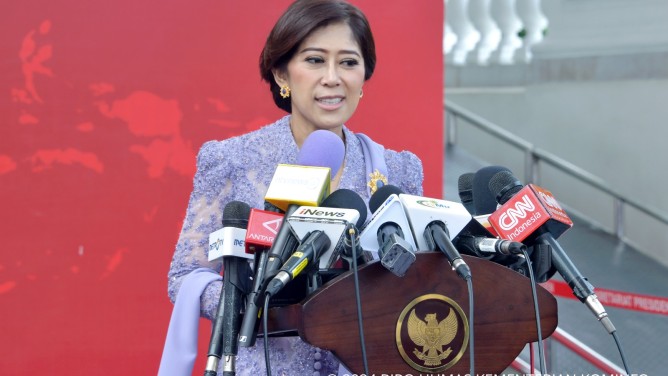
According to officials, the content of the Meta issue is mainly related to online lottery advertisements and DFK content, which are used by regulators to describe the categories of false information, defamation and hate speech disseminated in social media. The Ministry of Communications of Indonesia warned that the lack of effective audits could pose a risk to public safety and social stability if such content was widely disseminated. Meudia Hafid criticized Meta for allowing harmful content to be retained even after repeated reports by regulators. Officials stated that the global platform operating in Indonesia must comply with local laws and act promptly when violations are detected. According to article 40 of Law No. 1 of 2024 of 2024 of the Law on Electronic Information Transactions, as amended in Indonesia, operators of digital systems must comply with national regulations and maintain a digital framework of security for users. The issue of weak law enforcement is particularly sensitive to the fact that platforms such as Facebook, Instagram and WhatsApp have about 112 million users each in Indonesia. According to the authorities, even a small amount of uncensored harmful content can be quickly disseminated in the face of such a large audience.

One of the concerns raised in the inspection related to the online disguise of illegal lottery advertisements. The regulator indicated that many promotional activities were aimed at circumventing the automated auditing system by disguised as general information posts. Some advertisements deceive the public by disguised as health advice or life tips (e.g. diabetes treatment or fruit nutrition posts). Users are referred to illegal lottery sites once they click, thus circumventing Indonesia’s ban on online lottery. The lottery is still illegal in Indonesia, but the authorities claim that underground digital networks still generate billions of dollars a year. Regulators believe that weak enforcement of large platforms allows such platforms to continue to attract new users. Officials also warned that this raised serious concerns about consumer protection and financial exploitation, particularly for vulnerable users. According to the Ministry of Communications, this raid revealed a shift in the way in which the authorities were moving towards tougher law enforcement rather than private consultations with technology companies.

It also urged Meta to improve the transparency of its content audit and algorithm systems, especially when illegal materials appeared to escape monitoring. Officials called for the faster removal of posts related to gambling, fraud and exploitation, and hoped for clearer reporting channels to make it easier for government agencies to mark harmful content. The Indonesian authorities warned that repeated failures in compliance could lead to sanctions or legal action. The Government claimed that more than 5.7 million lottery-related posts had been removed, highlighting the scale of compliance difficulties and the increasing regulatory pressure on global platforms such as Meta, which operated in large digital markets.